Meet the Community
Zúniga Arriba, Valle,
Nacaome | Honduras
A Community in Need of a Sustainable
Water Solution
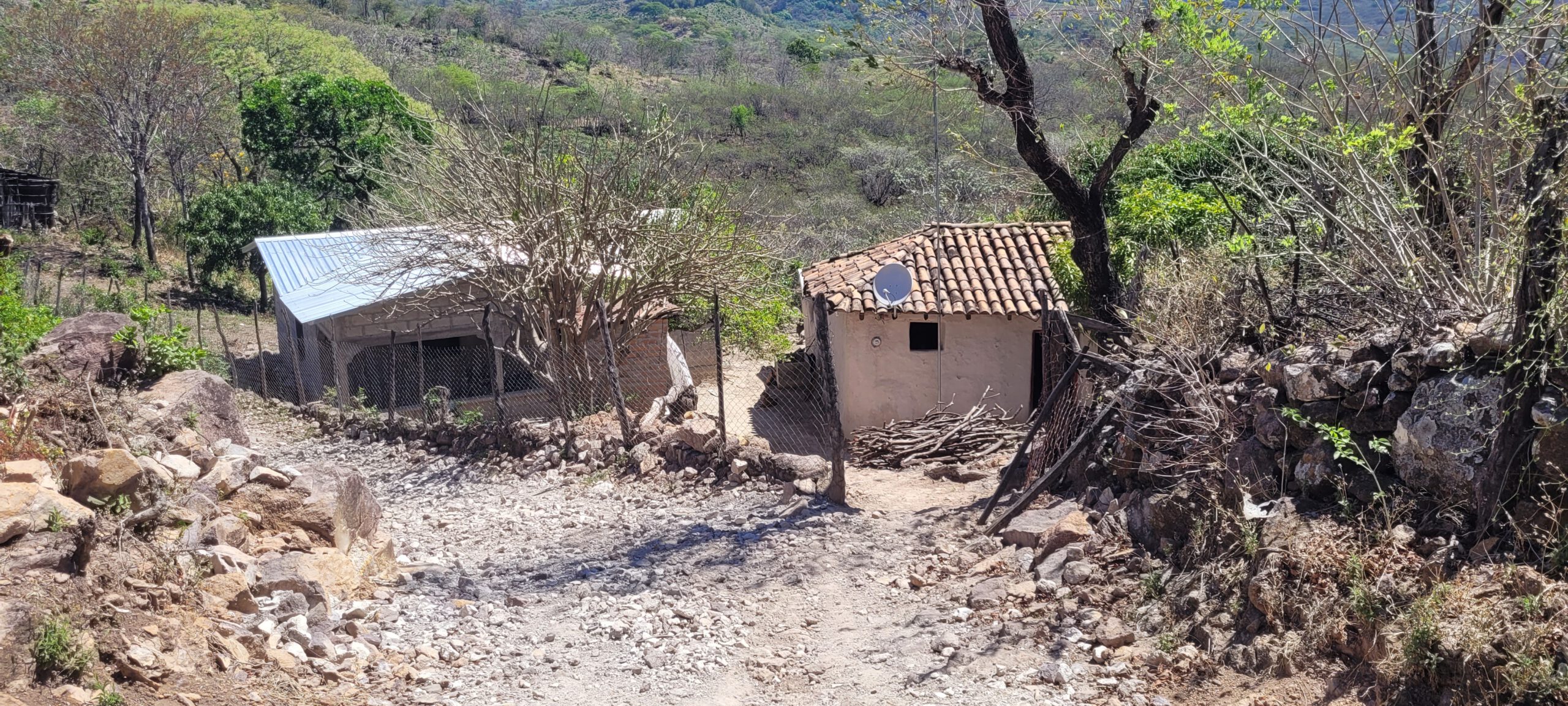
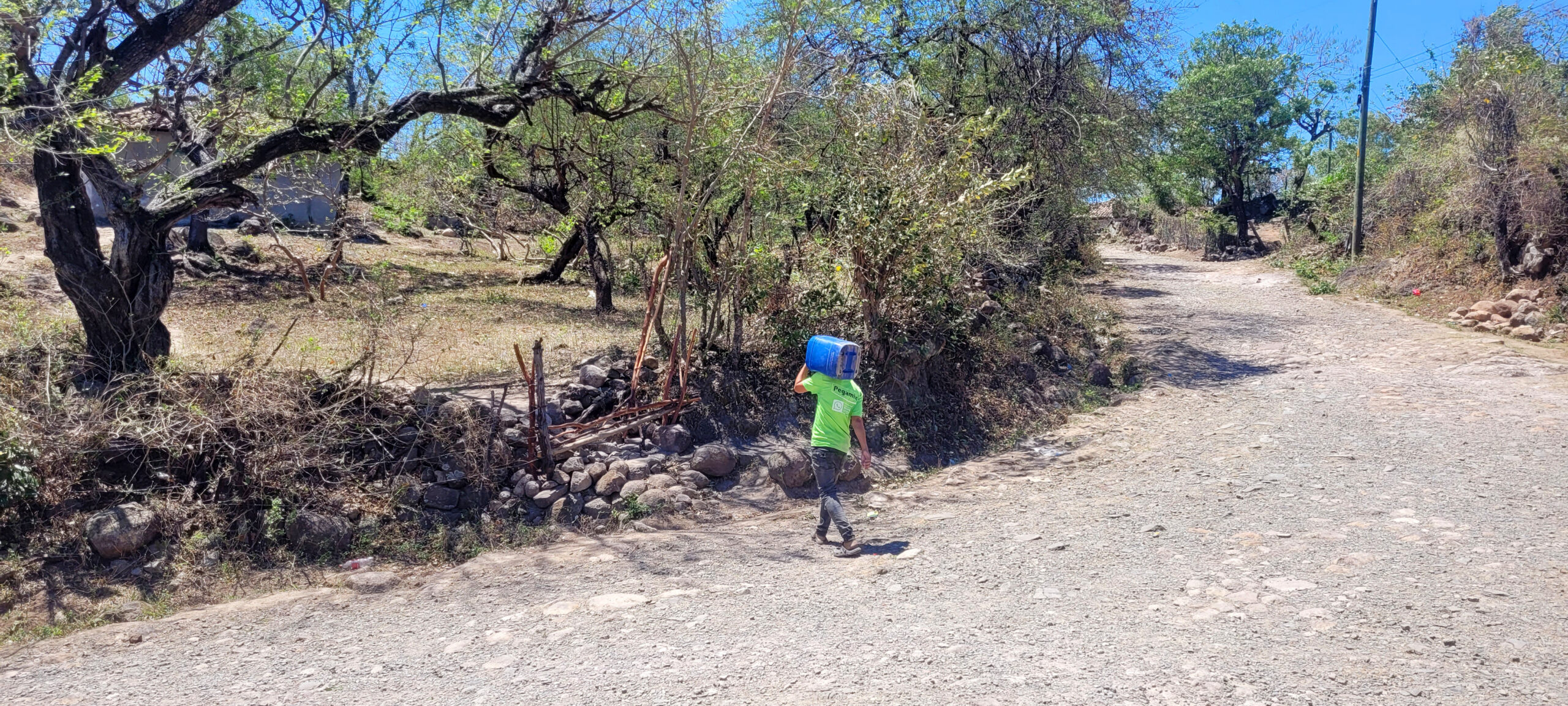
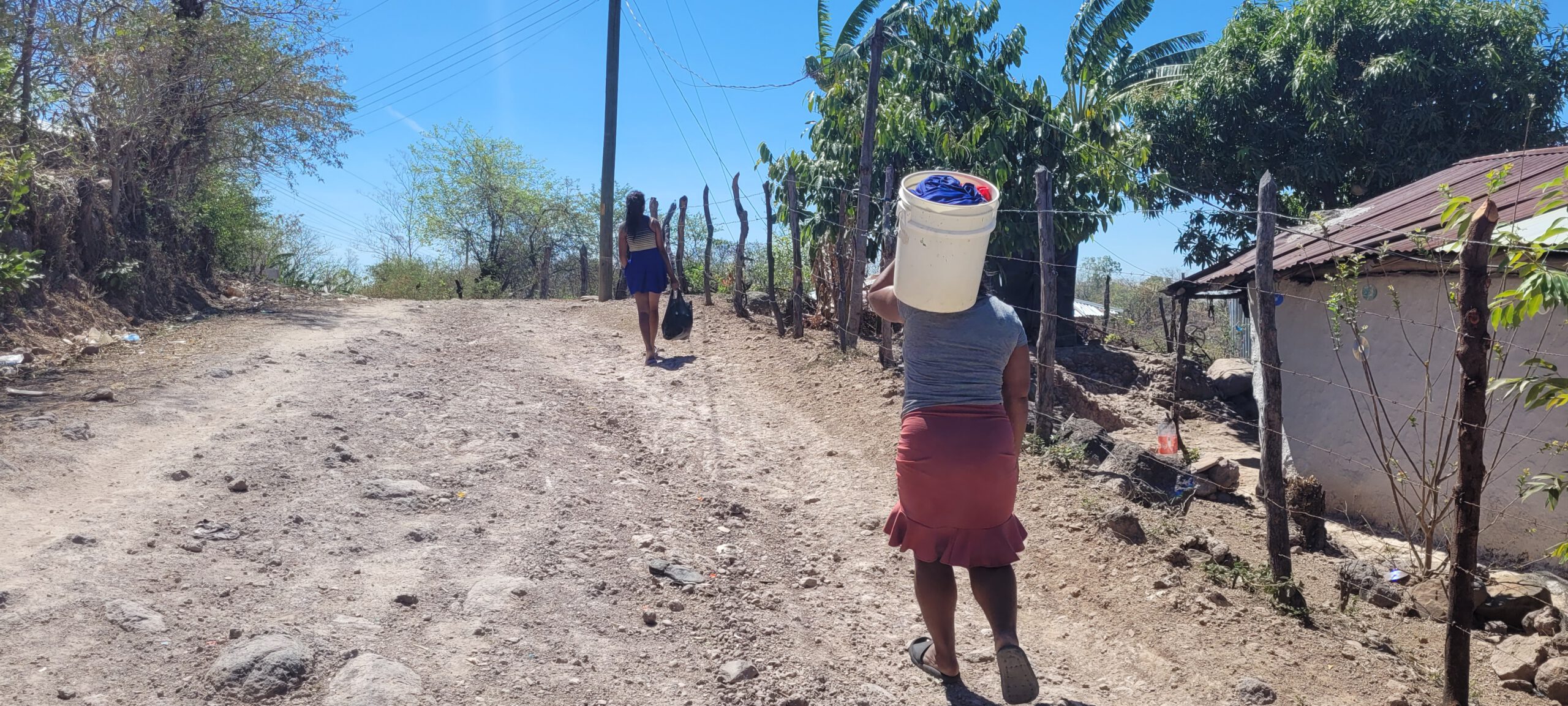
In the rural community of Zúniga Arriba, located in the municipality of Nacaome in southern Honduras, access to water remains one of the greatest challenges facing its 250 residents. Although the community has seven wells that provide some groundwater, none of its 81 households are connected to a functioning clean water distribution system. Without the infrastructure needed to deliver water directly to their homes, families must rely on collecting and storing water in buckets and traditional household reservoirs known as pilas.
Everyday activities that many take for granted like cooking, bathing, cleaning, and maintaining proper hygiene, require additional time and effort. These challenges are compounded by limited sanitation infrastructure: nearly one-third of households lack latrines, only 12% have water filters, and the nearest health facility is approximately 20 kilometers away. With diarrhea among the illnesses reported in children, access to reliable water and improved sanitation is especially important for protecting community health.
Despite these difficulties, Zúniga Arriba is a community determined to build a better future. Most families depend on agriculture, growing corn and beans, or working in construction and other manual labor jobs to earn a living. With limited financial resources, developing a complete water system is an enormous undertaking. Yet residents have already taken meaningful steps toward a solution by organizing a local Water Committee, contributing their own funds, and identifying a potential site for a new well.
What the community still lacks is the engineering design and infrastructure necessary to transform an available water source into a reliable household water supply. Developing a sustainable system will require careful technical planning, including evaluating water sources, designing pumping and storage facilities, and establishing a distribution network capable of reaching families throughout the community.
This is where Engineering Brigades volunteers can make a meaningful difference. By working alongside local leaders and Global Brigades' engineering professionals, volunteers can help communities like Zúniga Arriba take critical steps toward a sustainable water solution. Engineering designs provide the technical foundation needed to estimate construction costs, plan infrastructure, and move projects closer to implementation. For the families of Zúniga Arriba, a completed water system would mean more than pipes, pumps, and storage tanks.
It would mean water available at home, less time and effort spent obtaining it, better opportunities for hygiene and sanitation, and a stronger foundation for long-term community development. For engineering volunteers, it is an opportunity to apply their skills to a real-world challenge with the potential to improve hundreds of lives.
Apricot Data
Current Water System Status
- Lack of infrastructure: The community currently does not have an existing water system or distribution network.
- Household connections and storage: 0% of homes have functioning water connections, and the current monthly fee is 0 Lempiras. They also lack a storage tank and a conduction line.
- Current source: The water supply comes from groundwater (a well currently in use). Its overall condition and that of the watershed are reported as good, although the presence of houses surrounding the well is noted.
Water Committee and Infrastructure in Progress
- Active committee: The community has an established Water Committee consisting of 4 members: Geydi Lizeth García, María Aracely Domínguez, Oscar Armando Canales, and Francis Gustavo Castro.
- Project underway: The main observation is that a project is in process. A specific site for drilling a new well has already been identified, and drilling operations/management are currently in progress.
- Community action: The community states that through their own initiative and management, they have been working to resolve the water issues in their community.
Assessment and Technical Data
- Water quality: The bacteria test on the evaluated water source came back negative.
- Elevation: The water source elevation was recorded at 581 meters, and the proposed tank site elevation at 662 meters.
Rapid Needs Assessment conducted in
Zúniga
Arriba, Valle, Honduras
(Data collected on April 8, 2025)
Community Profile & Top Needs

Demographics
The community has a population of 250 people across 81 homes, with an average of 5 residents per household. There are 18 children under 5 years old and 10 children under 12.
Basic Services
The community has electricity, but access roads are in poor condition. Cell phone service is available.

Top 3 Community Needs
Lack of a functioning water project. Latrines are in poor condition, and a group of residents lacks latrines entirely. Roads are in poor condition.
Water & Sanitation Overview

Water System
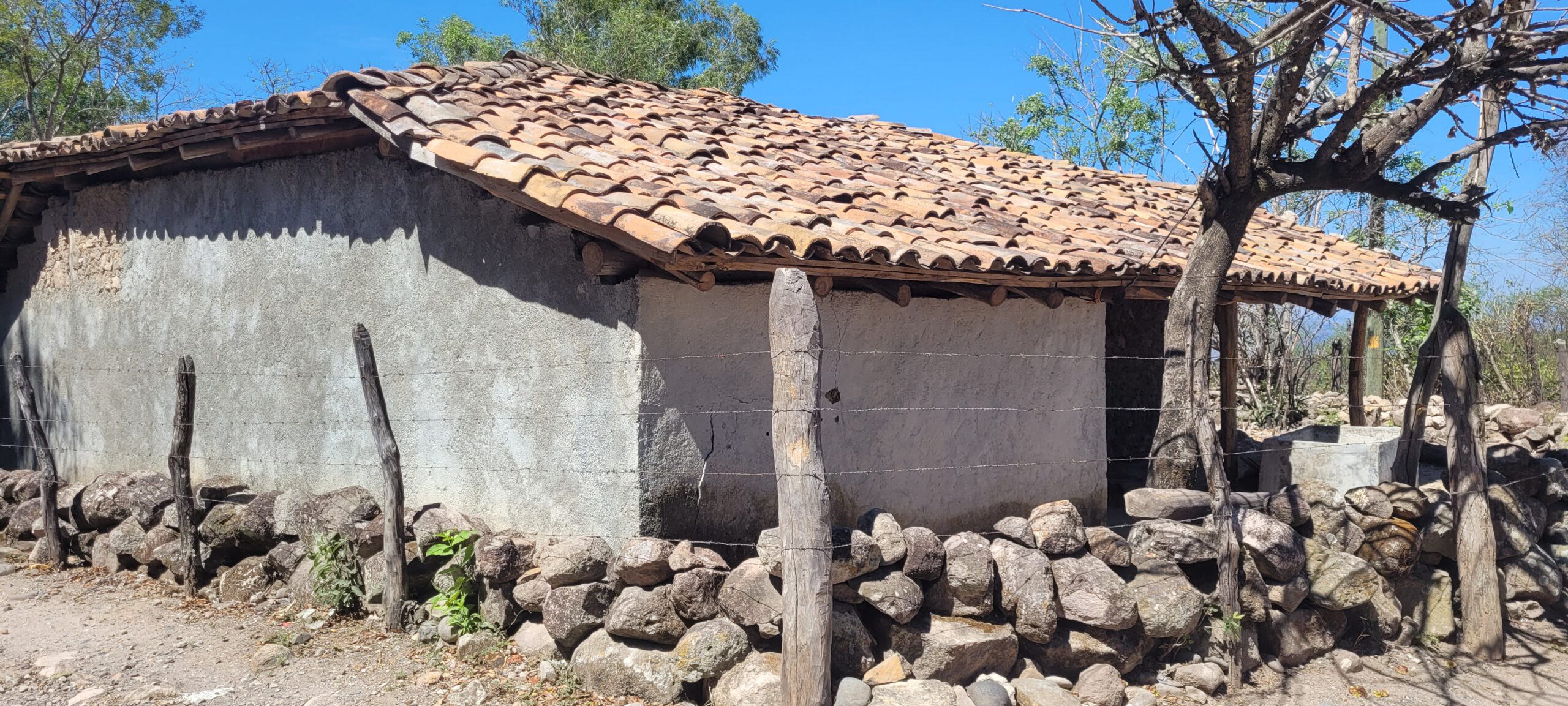
There is currently no operational water system or distribution network. Residents store water in covered buckets and storage units (pilas).

Water Sources
The community relies on 7 total wells (1 public and 6 private).

Water Committee
An active 7-member Water Committee is established. Although there is no active water system yet, community beneficiaries contribute a weekly fee of 50 Lempiras toward future solutions.

Sanitation Facilities
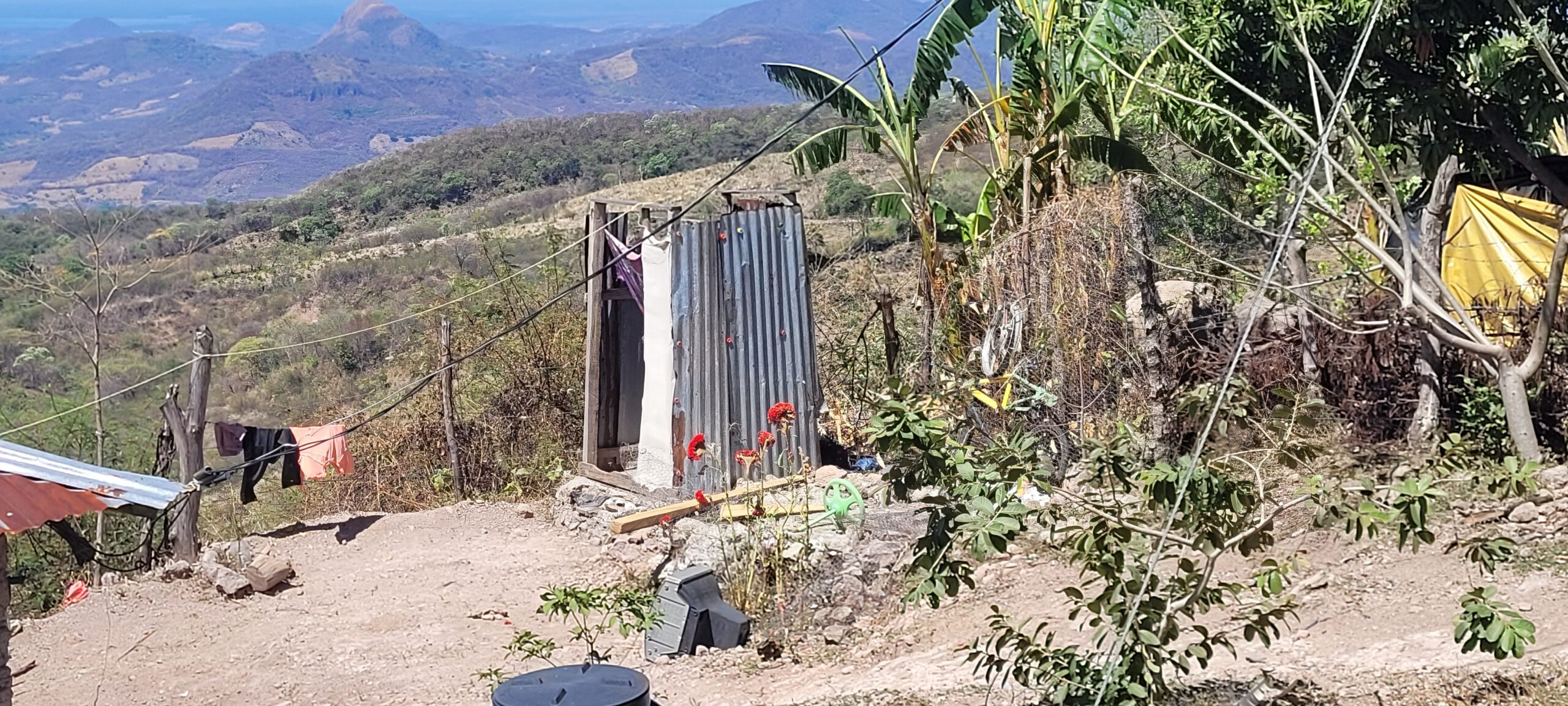
68% of homes (55/81) have latrines. Only 12% of homes (10/81) have water filters, and 4% have dedicated water storage units. No homes have indoor showers.
Health & Education

Health Infrastructure
The nearest health facility is located 20 km away in Zúniga Abajo and El Jícaro (where a polyclinic/primary care center is under construction). Common pediatric illnesses include fever, flu, cough, and diarrhea, while adults commonly experience hypertension, flu, and diabetes.

Hygiene & Public Health
Assessment notes highlight that 50% of the population requires training on hygiene practices and behaviors.

Schools
There are no active primary, middle, or high schools directly within the community. Secondary students travel to El Ocotillo for adult/mature secondary education classes.
Economy and Community Leadership

Economic Activities
The primary occupations are agriculture (specifically corn and beans) and unskilled labor/construction. Main agricultural income is received in December and January. Additional income comes from remittances.

Water Committee
Francis Gustavo Castro (President)
Oscar Armando Canales (Vice President)
Heydi García (Secretary)
María Aracely Domínguez (Treasurer)

Financial Services
A community bank (Caja Rural Nueva Esperanza) was established in 2002 to offer savings and credit services.

Key Leaders
Patronato (Community Council): Alexi Mendoza (President), Brenda García (Secretary), and Alba Aguilar (Treasurer).