Meet the Community
El Pital, Aldea de Pavana,
Choluteca | Honduras
A Community in Need of a Sustainable
Water Solution
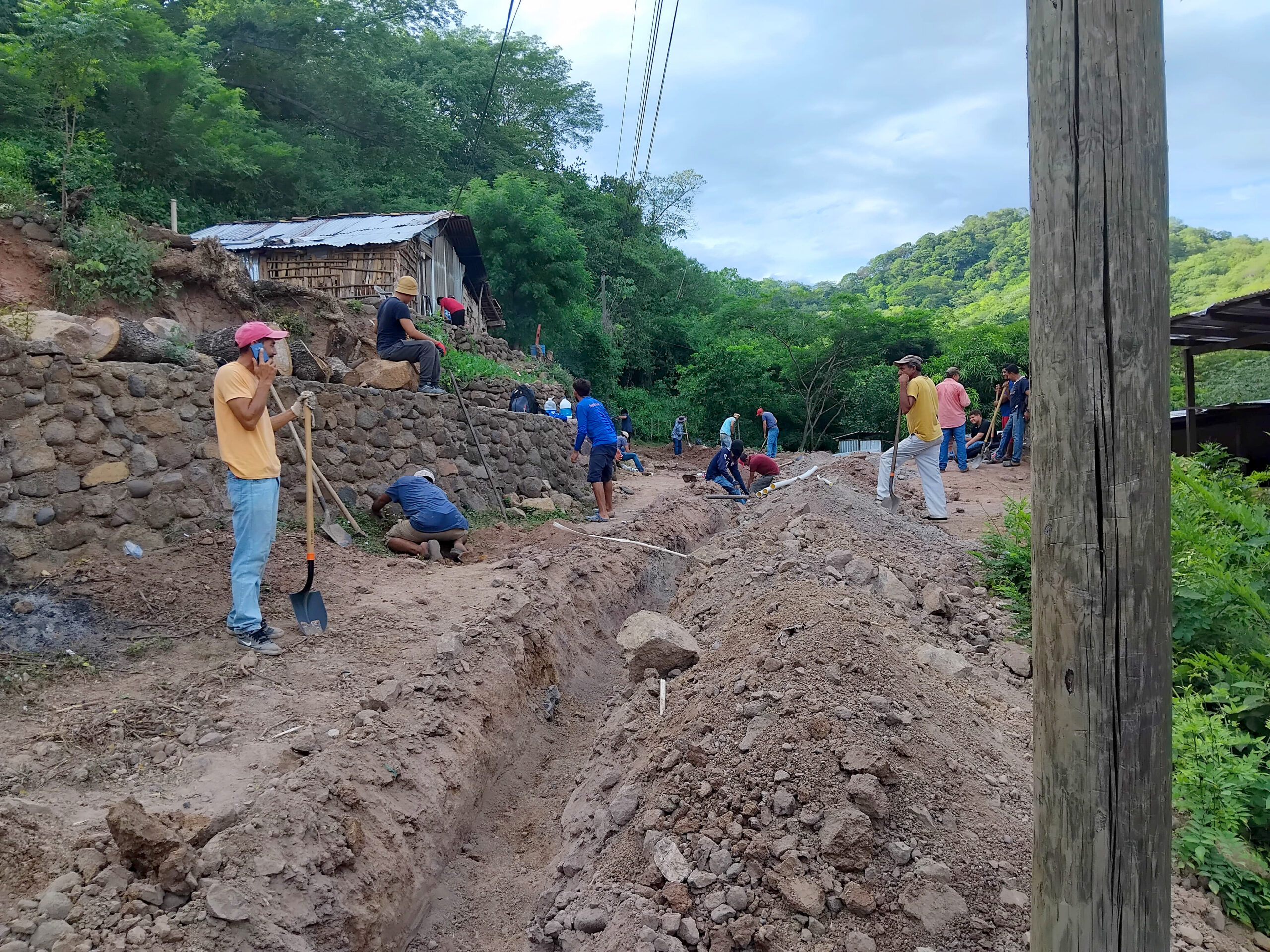
For the 300 residents of El Pital, a rural community in southern Honduras, access to water has long been one of the community's most pressing needs. Families primarily depend on agriculture and raising livestock to sustain their livelihoods, often with limited financial resources to invest in essential infrastructure. Like many rural Honduran communities, El Pital faced the challenge of turning an available groundwater source into a reliable water supply capable of serving every household.
Without a functioning distribution system, families could not count on having water delivered directly to their homes for cooking, bathing, cleaning, and other everyday needs. Building a community-wide water system required more than identifying a water source; it demanded an engineering design, technical expertise, financial planning, and a shared commitment to bringing the project to life.
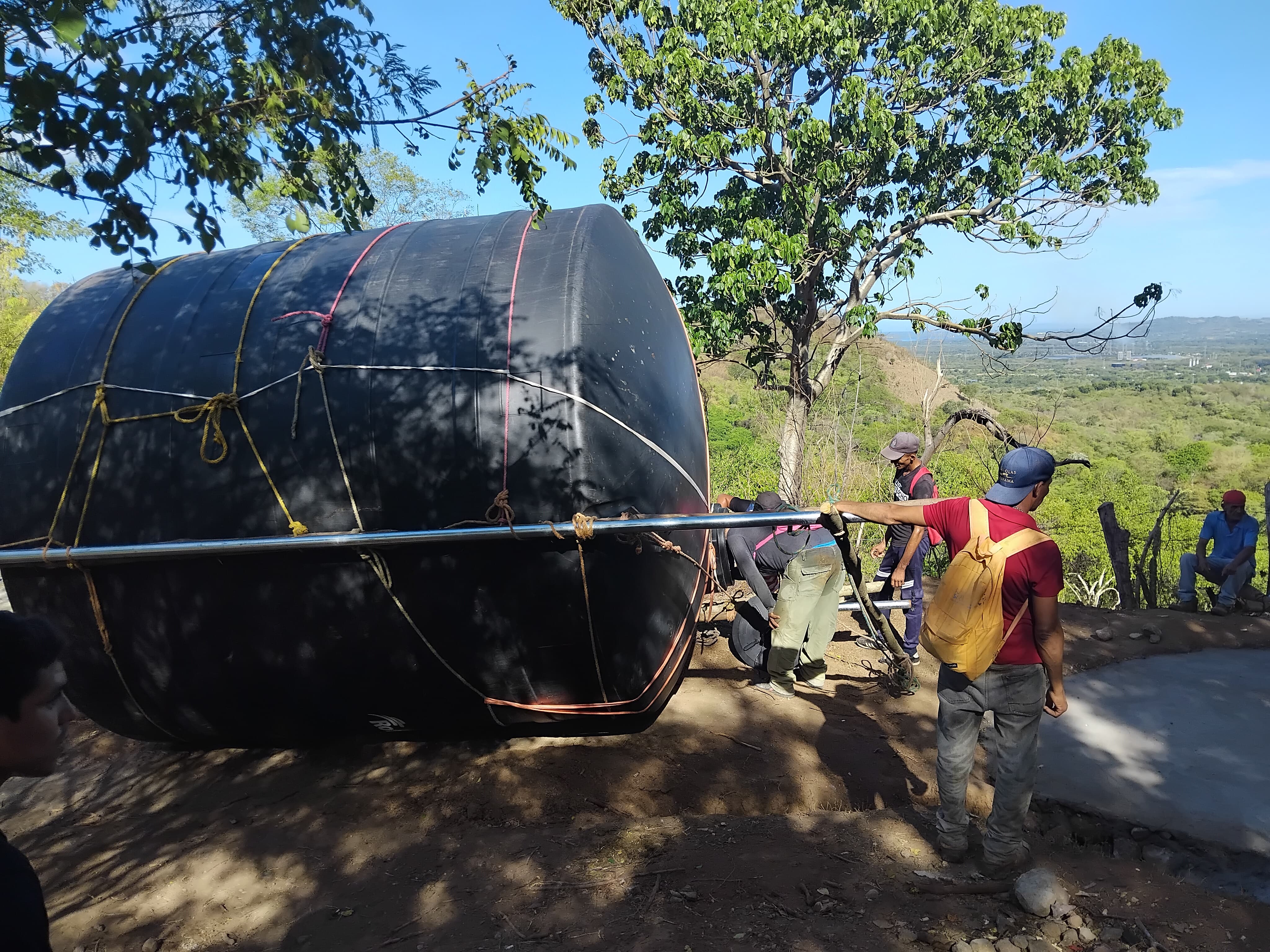
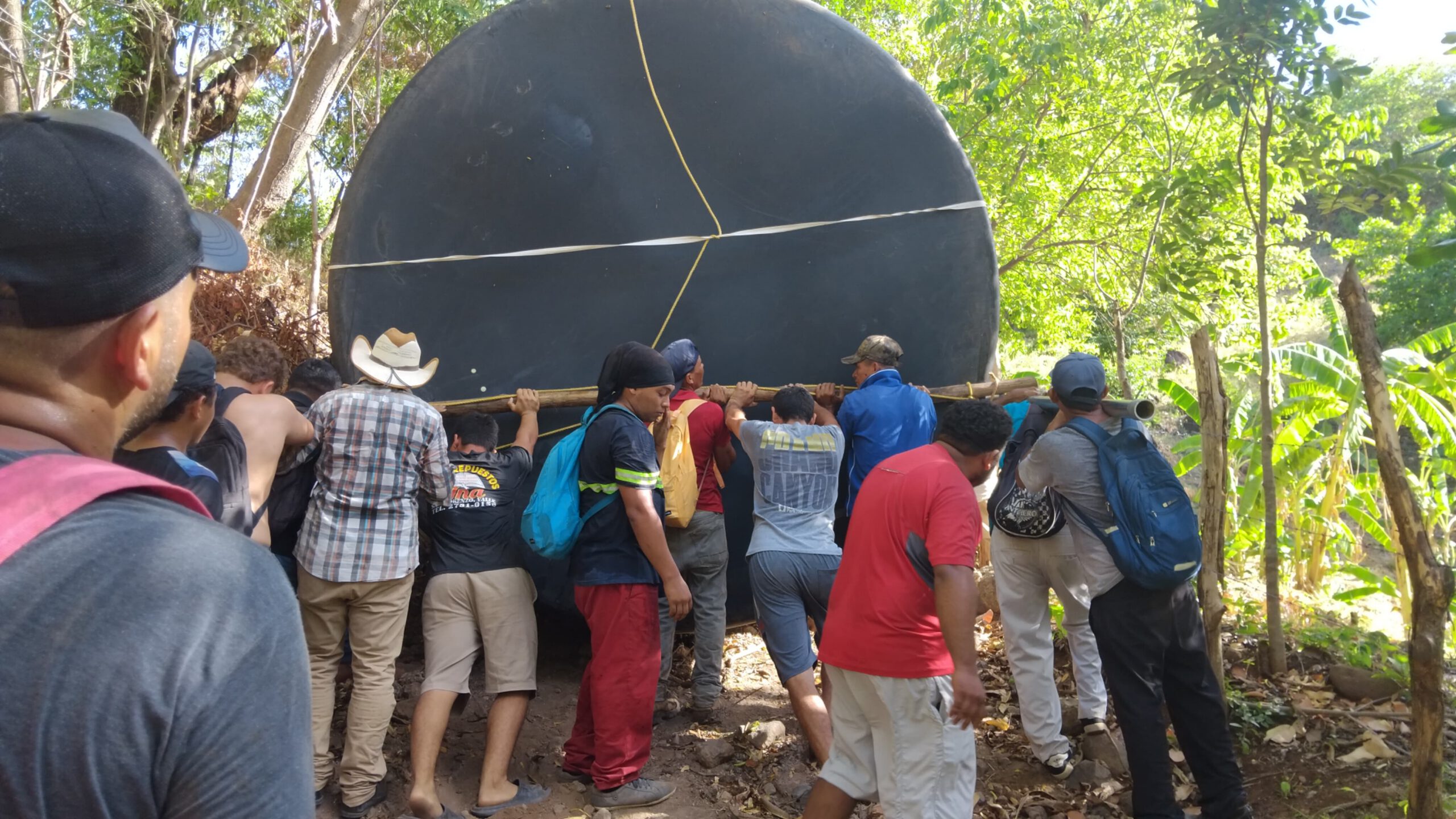
In 2024, Engineering Brigades volunteers visited El Pital to work alongside community members and Global Brigades staff on the design of a new water system. Their work included measuring and designing more than four kilometers of piping, household connections, pumping infrastructure, and a proposed 10,000-gallon storage tank. The resulting engineering design provided an essential foundation for planning and budgeting the project's construction.
The importance of this contribution was captured by Erika Pamela Euceda Alvarez, then secretary of the community's Water Committee, who shared: "First, we thank Global Brigades and the university students for their important contribution, because this study provides us with the accurate information we need to determine the budget required for our project." She also explained the financial challenges facing the community: "Our community has very limited resources, and we cannot afford to pay for this study." Her words reflect the critical role engineering volunteers play in helping rural communities overcome technical and financial barriers to essential infrastructure.
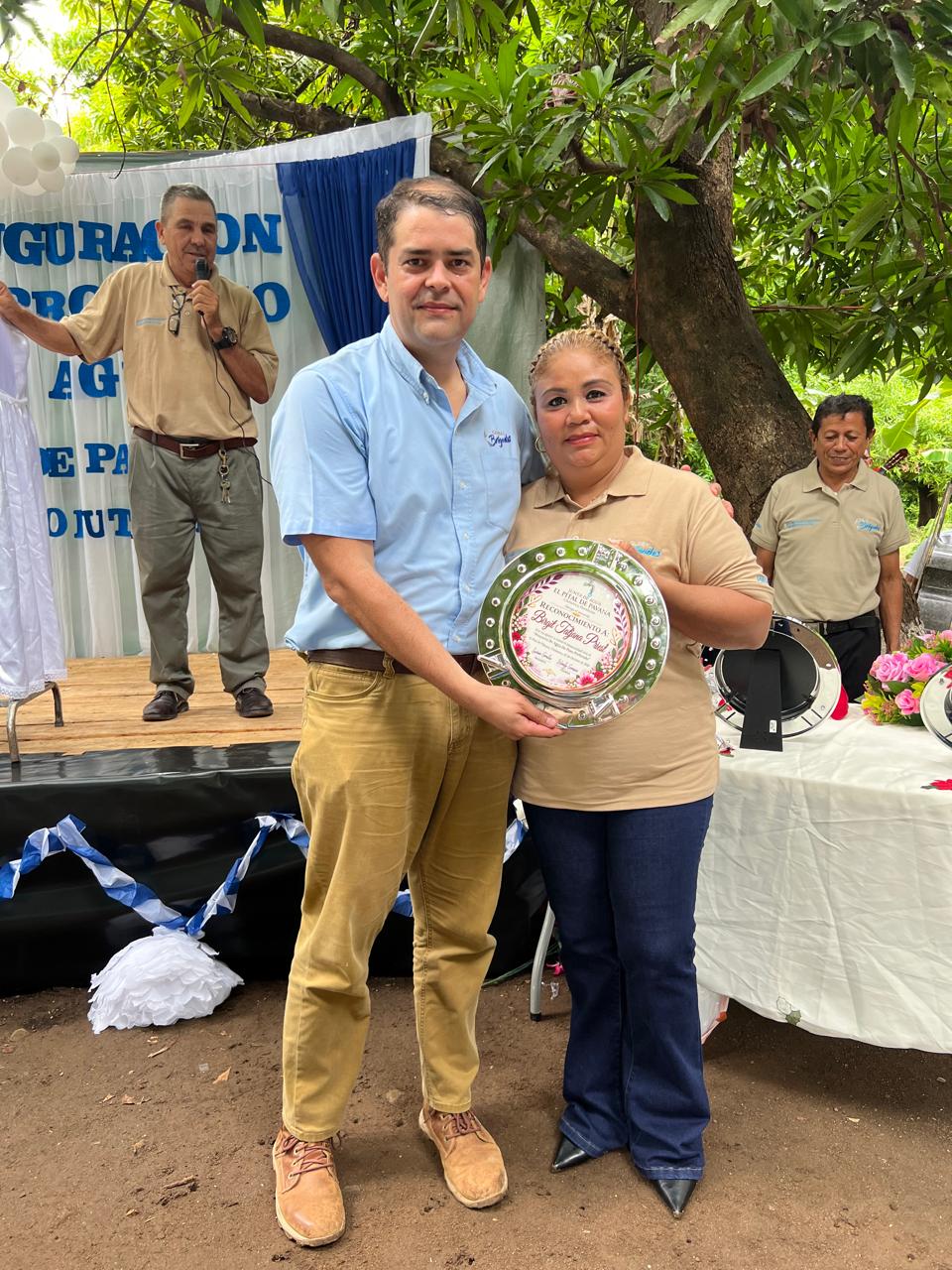
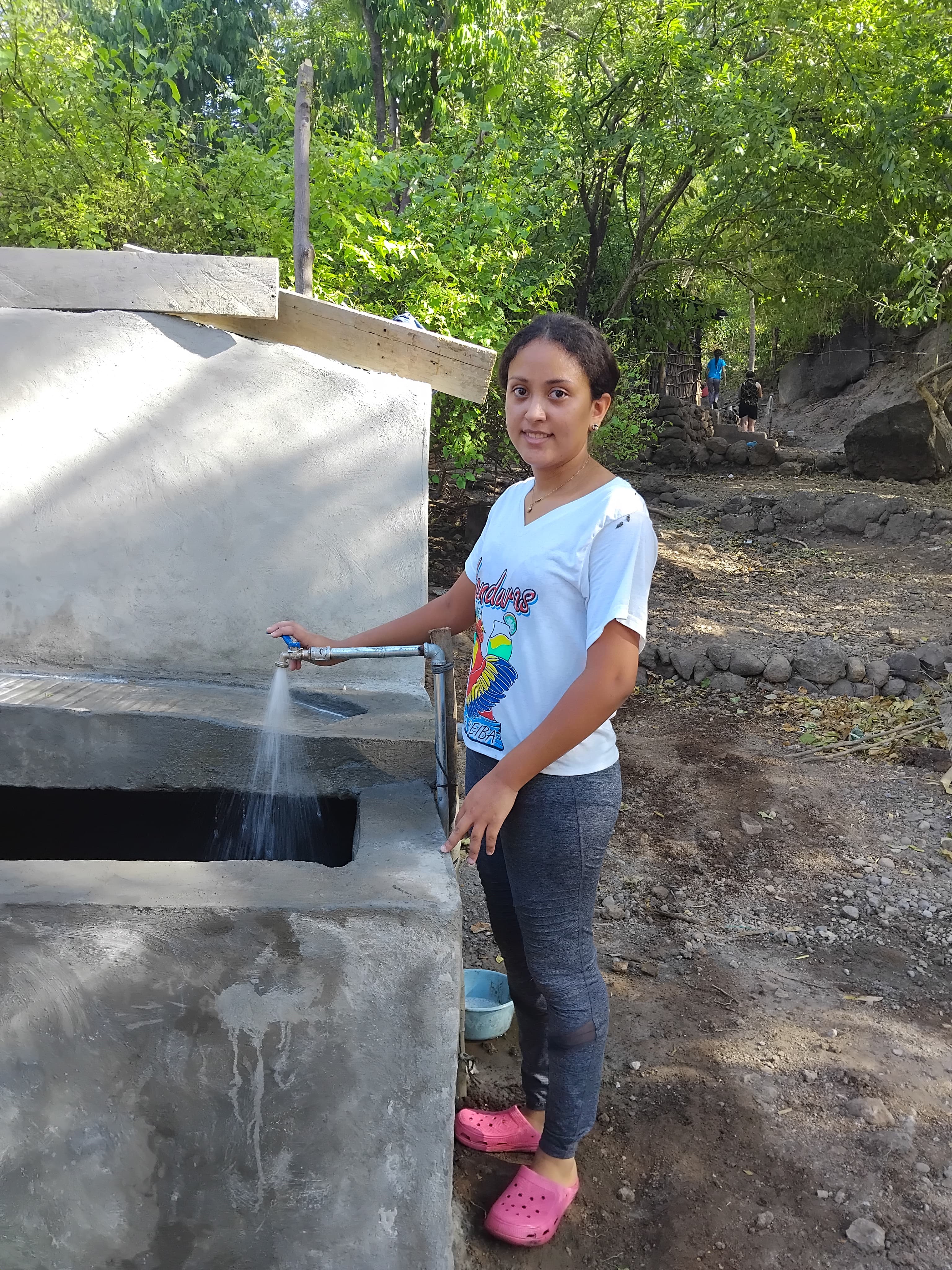
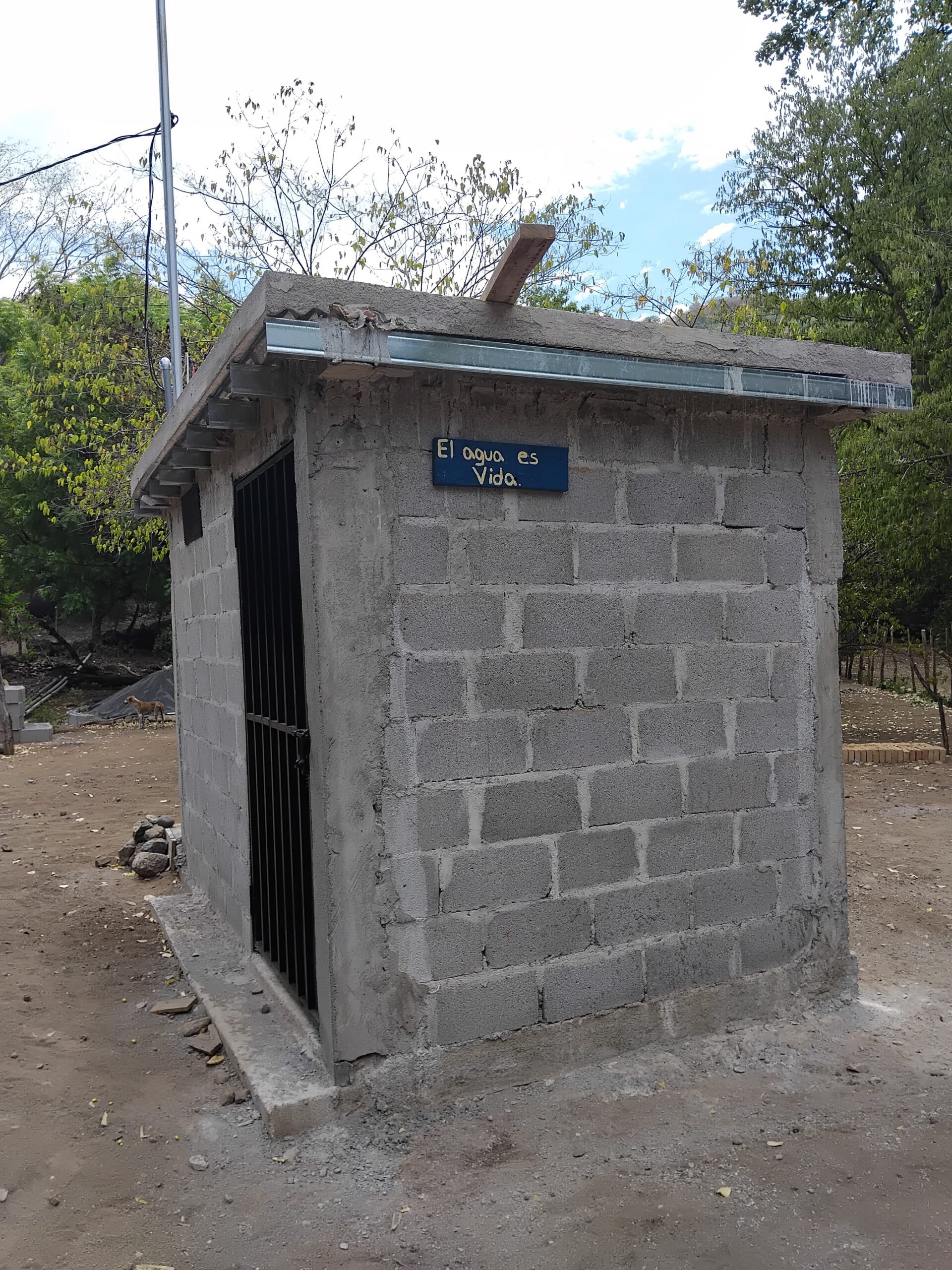
In September 2026, that vision became a reality. Global Brigades successfully completed construction of El Pital's new water system, bringing household water connections to 100% of the community's 58 homes, benefiting approximately 300 residents. Powered by a groundwater well, pumping infrastructure, a storage tank, and distribution network, the completed system represents a transformative improvement in daily life. Families now have access to water in their own homes, making everyday household activities more convenient, supporting improved hygiene, and reducing the burden associated with obtaining and storing water.
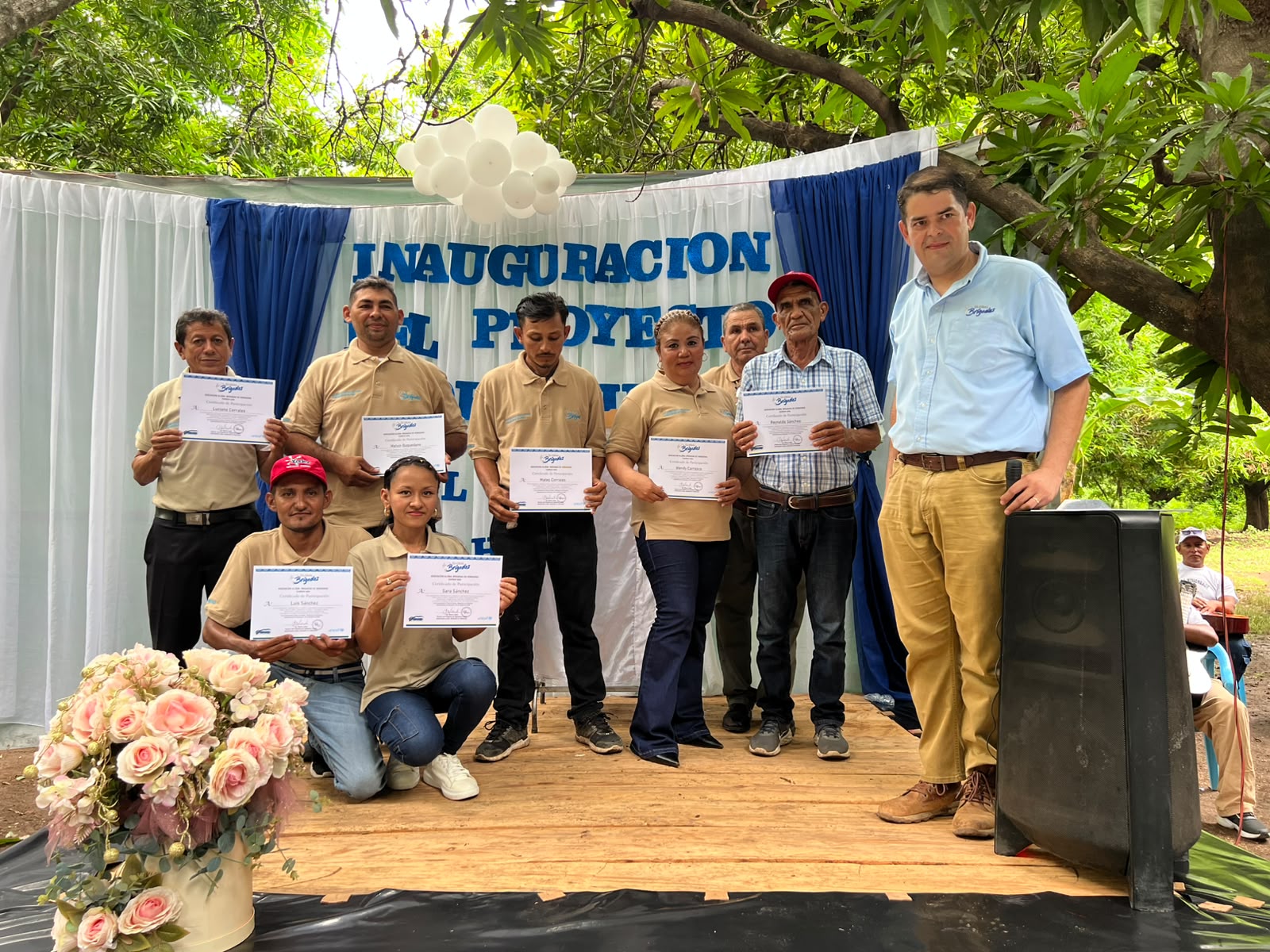
An active seven-member Water Committee, a trained local plumber, and a community-established monthly water fee help support the system's long-term operation and maintenance. What began as engineering measurements, calculations, and collaboration between volunteers and residents has become lasting infrastructure serving an entire community. El Pital is a powerful example of how Engineering Brigades volunteers can help transform technical knowledge into tangible improvements in people's lives—one community, one water system, and one household at a time.
Apricot Data
In September 2026, Global Brigades successfully completed the construction of a new water system in the community of El Pital, Aldea de Pavana. Prioritizing water as one of its main needs, the community now benefits from an operational, mixed water system (storage tank with a pump) that is in good condition.
The system relies on a legal private well as its source and achieves 100% coverage, connecting all 58 households in the community to safe water. To ensure long-term sustainability and maintenance, an active 7-member Water Committee and a local plumber oversee operations, supported by an established monthly household fee of 200 Lempiras.
Rapid Needs Assessment conducted in
El Pital, Aldea de Pavana, Choluteca
(Data collected on September 2, 2026)
Community Profile & Top Needs

Demographics
The community has a total population of 300 residents living in 58 homes, averaging 5 people per household. There are 15 children under age 5 and 40 children under age 12.
Basic Services
The community has electricity. It is located 9 km from Choluteca (the nearest lodging option). Cell phone reception (Tigo) is available, but road conditions are poor.

Top 3 Community Needs
- Water
- Latrines
- Road repairs
Water & Sanitation Overview

Water System
The community has an operational mixed water system (storage tank with a pump) built in 2026, which is in good condition.
Coverage and Tariff
100% of homes (58/58) are connected to the water network. The monthly water tariff per household is 200 Lempiras.

Water Source & Household Storage
The water source is legally registered and relies on 1 private well. Inside homes, water is stored in water tanks/storage units (pilas), present in 52% of homes.

Committee & Personnel
An active 7-member Water committee is in place. The community has 1 local plumberand an inventory of tools/supplies (valves, elbows, glue, shovels, etc).

Household Sanitation
100% of homes have latrines, 86% have concrete floors, 52% have a shower/bath, and 0% have water filters.
Health & Education

Education
Primary School: The community has the Profesor Ricardo Soriano Primary School, equipped with electricity, potable water, sanitation facilities, 2 classrooms, and 2 teachers for 35 students.
Other Levels: There is no kindergarten, middle school, or high school in the community. A nearby church has electricity and sanitation facilities.

Health Services
Health Center: The designated health facility is the Centro de Salud Ricardo Oliva, located 3 km away. It is staffed by a doctor and nurse, but lacks a laboratory, and medications are only available intermittently.
Common Illnesses: Flu and cough among children; hypertension and diabetes among adults.
Community Interest: There are no health volunteers or Community Health Workers (CHWs), but local residents are interested in receiving training.
Economy and Community Leadership

Economic Activities
The main occupations are agriculture (growing corn on rented land) and cattle/animal raising. Agricultural income is primarily earned during December. Remittances serve as an additional source of income.

Commerce & Banking
There is no community bank or cooperative. Small grocery stores (pulperías) are the only local businesses.

Key Leadership & Partners
Water Committee: Luciano Corrales (President), Raquel Carrasco (Treasurer), Sebastián Mandes Flores (Auditor/Fiscal), Irela Herrera Peralta (Collaborator).
Patronato (Community Council): Pamela Euceda (President), Rosa Leticia Postrada (Treasurer).
External Support: The community has previously worked with the local municipality and the organization Oikos Portugal.