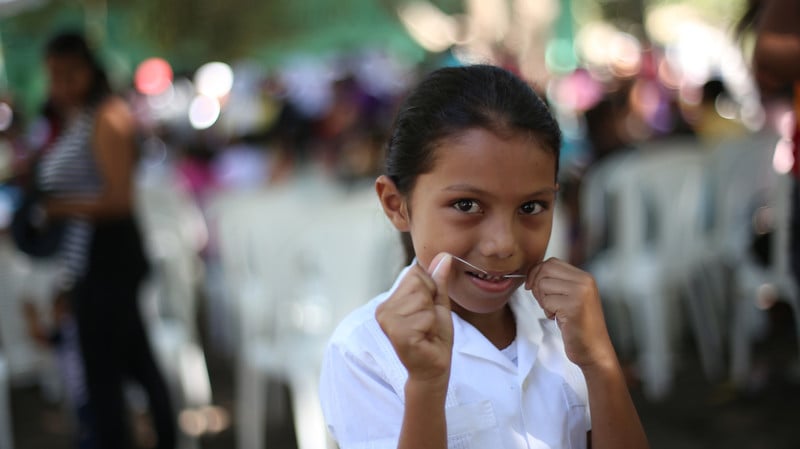
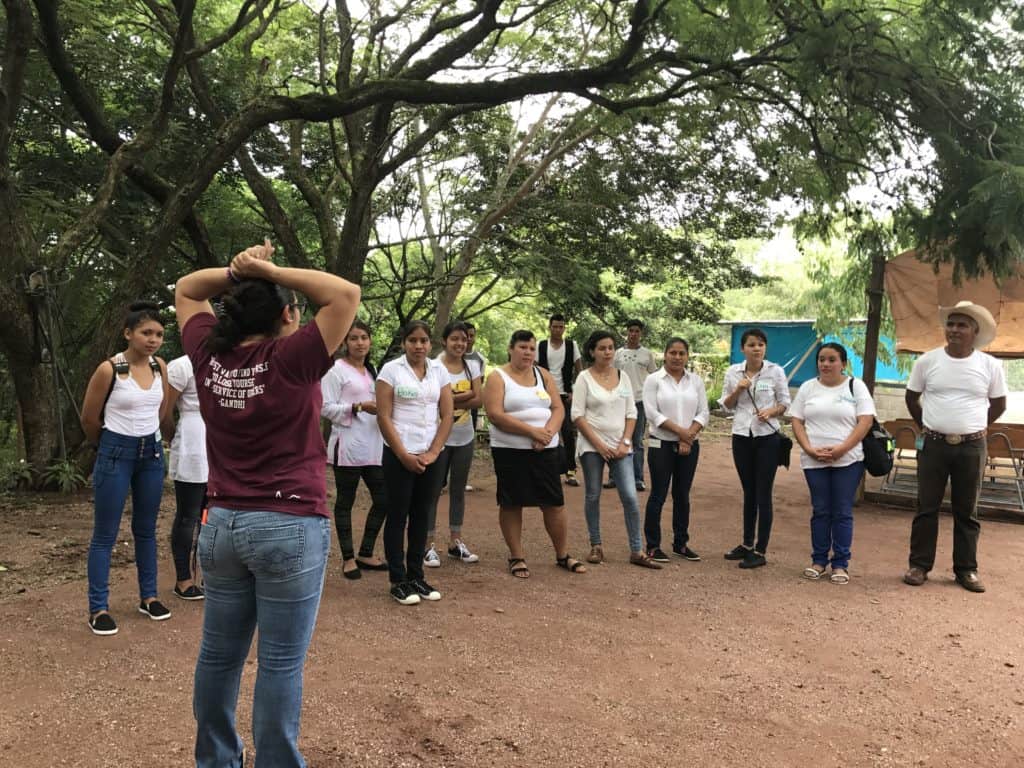
 La Majada is located within the municipality of Danlí in the department of El Paraíso in central Honduras. The typical house is made of adobe, cinder blocks, and/or wood. Children in the community have access to primary school, or up to sixth grade. There is a well treated and functioning water system in the community; however, some families are behind in paying the monthly water fee, which contributes to the maintenance and longevity of the system. Most of the community members work as day laborers. The top needs expressed by La Majada’s inhabitants during their initial communications with Global Brigades include in-home public health infrastructure and a community bank.
HEALTH CARE ACCESS
The Honduran government provides two different types of health centers throughout rural Honduras: Centros de Salud Médico Odontológico (CESAMOs) and Centros de Salud Rural (CESARs). CESAMOs are the larger of the two, often found in municipalities, and typically have at least one physician on staff at all times with nurses and potentially a dentist. CESARs are found sporadically in rural communities and generally have a single nurse available. Even with this coverage, it is important to note that medications, supplies, and materials are often not available in these health centers and the physician density in Honduras remains around 1,220 people for every one doctor. According to the World Health Organization, there should be a maximum of 435 people per physician to qualify a country as having adequate access to medical attention.
There is no health center within the community of La Majada. If community members need to seek medical attention, they must walk ten kilometers to the nearest health center, CESAMO de Linaca, in El Chaguite de Linaca. There is also a public hospital, El Hospital Gabriela Alvarado, located twelve kilometers away. However, these health centers only sometimes have the medications patients need and there is no access to a private pharmacy. The most common illnesses reported by community members include diarrhea, the common cold, arterial hypertension, asthma, and allergies.
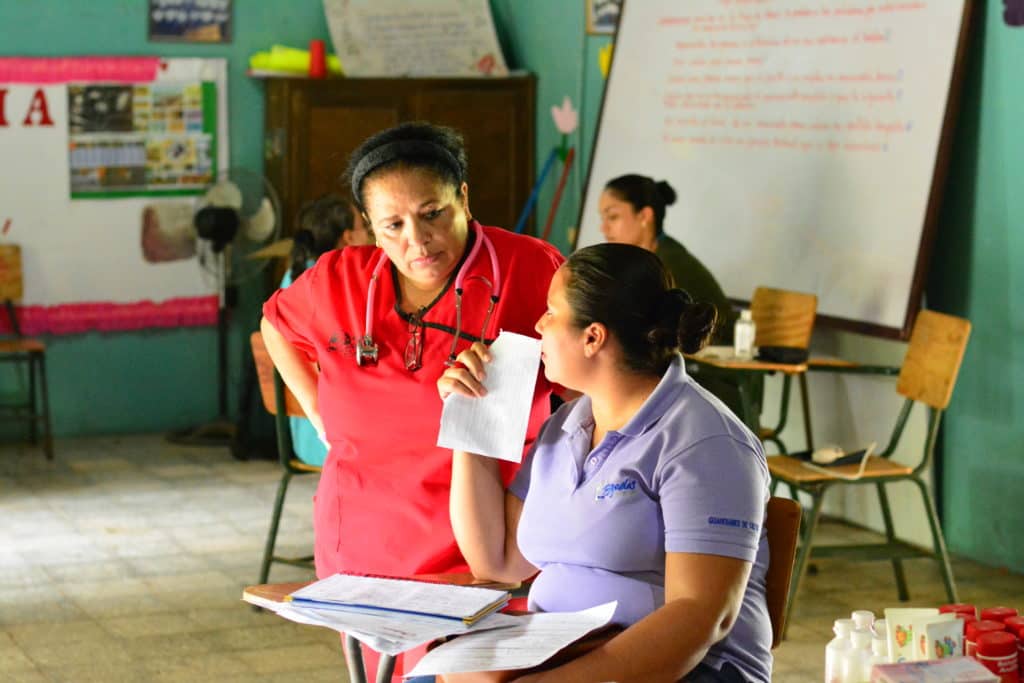 COMMUNITY HEALTH WORKERS
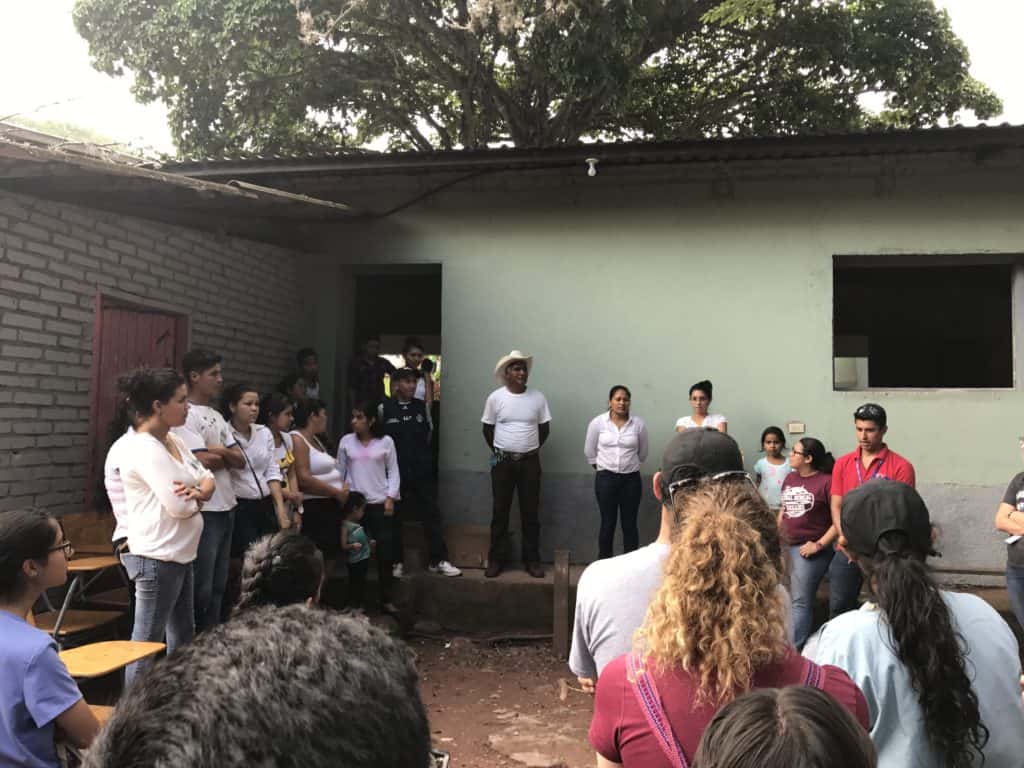 BRIGADE INFORMATION