Cascajal

  • Overview
  • Medical
  • Dental
  • Water
  • Business
  • Public Health

Overview

Cascajal is located in Cocle in the district of La Pintada. The typical house is made of cement blocks or bricks, woods and zinc. Children in the community typically attend school up until the 6th grade. There is a health post in Cascajal that hosts mobile clinics from the Ministry of Health every few months.

The community does not have a formal water system, nor does it have a community bank. Most residents rely on agriculture and informal labor as their primary sources of income, the common occupations include: assistant, day laborer, unskilled labor (construction, factory work, etc.) and skilled labor (teachers, merchants, technicians, etc.)

According to community members, the most to three needs are the following:

1. Strengthening of household sanitation systems: Although there is municipal garbage collection, many homes lack adequate drainage systems or proper wastewater treatment.

2. Comprehensive access to health services and preventive health promotion: While there is a health post with a community health assistant, there is no regular medical presence nor ongoing disease prevention campaigns.

3. Local economic development and technical training: The local economy is primarily based on subsistence agriculture and informal employment, with no access to microcredit services or financial education.

District: La Pintada
Province: Cocle

Homes : 94
Population : 400
Water System : Not Started
Community Bank : Not Started
Electricity : Yes
Health Center : No
Community Health Workers : Not Started
% of Homes with Latrines : 40%
Education : Up to 6th grade

Medical

Program Status

  • Planning
  • Active
  • Complete

HEALTH CARE ACCESS:

Even though Panama is a country with a lot of economic growth, this growth does not apply equally to all Panamanians, especially those in rural areas. This results in stark inequality when it comes to healthcare access. The Panamanian Ministry of Health (MINSA) provides two different types of health facilities throughout rural Panama: Centros de Salud and Puestos de Salud. Centros are the larger of the two, often found in municipalities, and typically have at least one physician on staff at all times with nurses and potentially a dentist. Puestos are found sporadically in rural communities and generally have a single nurse available. 

Even with this coverage, the Centros frequently lack a full pharmacy and the staff capacity to see every patient each day. After walking long distances or paying for a bus, rural visitors to the Centros can expect long wait times given the limited staff and resources to meet the demand from all neighboring communities. The physician density in Panama remains around 630 people for every one doctor. According to the World Health Organization, there should be a maximum of 435 people per physician to qualify a country as having adequate access to medical attention.

Cascajal has a Puesto de Salud, and there is a Centro de Salud in the nearby town of Nueva Arenosa. Community members in Cascajal expressed that the most common illnesses among children include respiratory infections, diarrheal diseases, scabies, and dermatological conditions. And among adults, the most frequently reported conditions are arterial hypertension, diabetes, urinary tract infections, and joint disorders (musculoskeletal pain).
82

Medical Volunteers

400

Patient Consultations

47

Health Education Workshops

Health Post : No
Community Health Workers : Not Started

COMMUNITY HEALTH WORKERS:

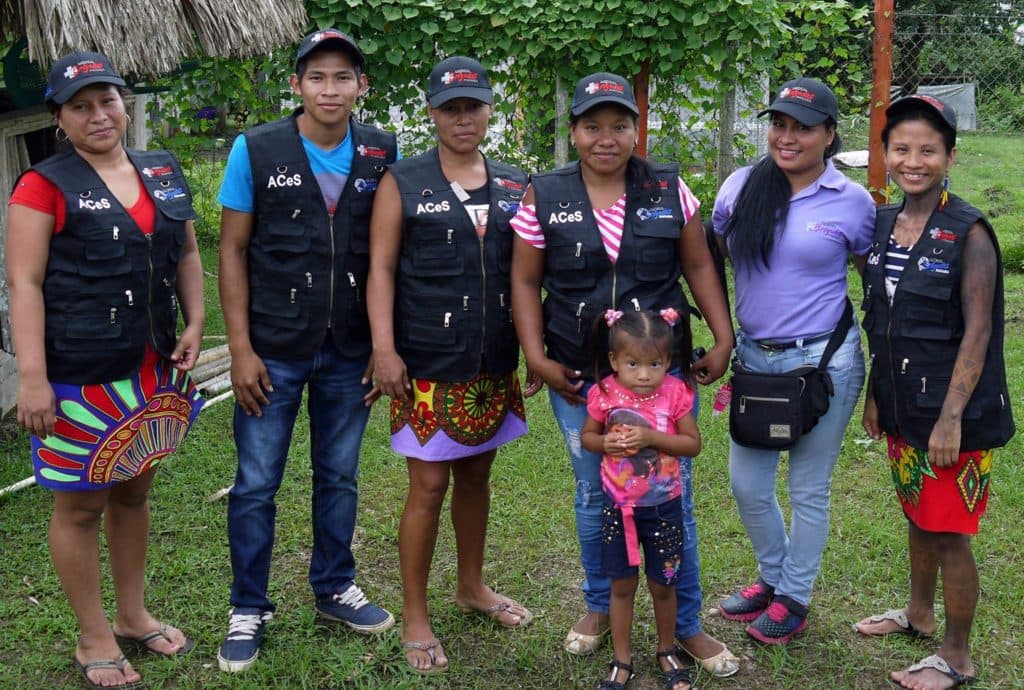
GB Panama’s Medical Dental team started the Agentes Comunitarios en Salud or ACeS program in 2016. “Agentes” from 10 communities in East Panama and Darien were Panama’s first community health workers. Cascajal doesn’t have Community Health Workers in training yet but Global Brigades is actively working on implementing this program.

Some of the CHW’s primary responsibilities include:

  • Promoting healthy practices and maintaining contact with GB staff about their progress
  • Performing First Aid in the case of an emergency
  • Managing the Patient Referral cases of the community
  • Promoting involvement with other GB programs such as Human Rights, Public Health and Microfinance workshops
  • Recording and monitoring members of their respective communities who:
    • Are pregnant
    • Have a chronic disease
    • Are children under five
      years old.

BRIGADE INFORMATION

Community members in Cascajal attend Medical and Dental Brigade clinics hosted in the community’s school building. The various stations of the clinic are held in the school’s classrooms. Each day of the brigade, an average of 7 educational charlas are facilitated with the clinic’s patients.

AVERAGE PATIENTS ATTENDED: +110

MEDICAL VOLUNTEERS IN CASCAJAL:

Chapter Date # Of Volunteers Chapter Date # Of Volunteers
Texas State University Medical Kambia January 2024 28 Hofstra University (Long Island Medical) Medical &  University of Nevada Las Vegas August 2024 17
University of Notre Dame Medical March 2025  22 University of Oregon Medical July 2025 15

Dental

Program Status

  • Planning
  • Active
  • Complete

DENTAL CARE ACCESS

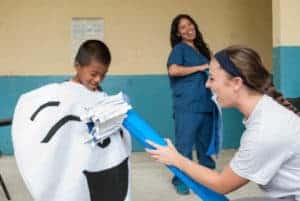
A dental Charla in a community in Panama

In working closely with the medical program, the dental program provides fillings, extractions, and fluoride treatments as a standard part of medical brigades. Most community members do not have regular access to dental care due to the lack of dentists within a reasonable distance.

52

Patient Consultations

62

Number of Extractions

17

Dental Education Workshops

MEDICAL VOLUNTEERS IN CASCAJAL:

Chapter Date # Of Volunteers Chapter Date # Of Volunteers
Texas State University Medical Kambia January 2024 28 Hofstra University (Long Island Medical) Medical &  University of Nevada Las Vegas August 2024 17
University of Notre Dame Medical March 2025  22 University of Oregon Medical July 2025 15

Water

Program Status

  • Planning
  • Active
  • Complete

Global Brigades is working on the implementation of the Holistic Model in Cascajal but has not yet begun with the Water Program. If there is a need, the Water Program will begin implementing a new water system or any necessary repairs to existing infrastructure as soon as feasible.

Water System : No
% Homes with Access to Water : N/A
Water Council : Not Started

Business

Program Status

  • Planning
  • Active
  • Complete

Global Brigades is working on the implementation of the Holistic Model in Cascajal but has not yet begun with the Business Program. The implementation of microfinance literacy will start as soon as feasible.


Public Health

Program Status

  • Planning
  • Active
  • Complete

Global Brigades is working on the implementation of the Holistic Model in Cascajal but has not yet begun with the Public Health Program. The implementation of public health services and the improvement of infrastructure will start as soon as feasible.

% Homes with Latrines : 40%
% Homes with Eco-Stoves : N/A
% Homes with Water FIlters : N/A
% Homes with concrete floors : N/A
% Homes with bath/showers : N/A
Common House Materials : N/A

Local Reference Points

View the map to see the closest volunteer lodging facilities, hospitals, and other relevant points of reference.

  • Feature